

Key Takeaways
- Early Parkinson’s symptoms can be subtle and easy to dismiss.
- Physical changes like tremors and stiffness are among the first signs to notice.
- Less obvious symptoms, such as changes in smell or sleep, often go unnoticed.
- The right senior living support can help you or your loved one maintain independence and quality of life.
- Personalized care plans make a real difference after an early diagnosis.
Early Signs That Deserve Your Attention
You notice your hand trembles slightly when you reach for your morning coffee. Maybe your loved one’s handwriting looks smaller than it used to, or they seem to move a little slower getting up from the couch. These small changes are easy to chalk up to normal aging, but sometimes they point to something worth taking seriously.
Recognizing the early symptoms of Parkinson’s can open the door to better support, more informed choices, and a plan that keeps life feeling full and purposeful. The earlier you understand what you’re seeing, the more empowered you become in shaping the path forward, especially with access to personalized care services and amenities designed to support every stage of the journey.
The Early Warning Signs You Should Know
Physical Changes to Watch For
One of the most recognized early signs is a resting tremor, a slight shaking in the hand, finger, or chin when the body is relaxed. You might also notice muscle stiffness that makes it harder to swing an arm naturally while walking or makes facial expressions look more fixed than usual. These physical changes can come on gradually, which is exactly why they’re so easy to miss at first.
Slowed movement, sometimes called bradykinesia, is another common early sign. Simple tasks like buttoning a shirt or standing up from a chair start to take more effort and more time. Posture can shift too, with the body beginning to lean slightly forward even during everyday moments like walking to the kitchen. Learning more about Parkinson’s basics can help you understand what these physical changes mean and how to respond.
Less Obvious Signs That Often Go Unnoticed
Not every early sign of Parkinson’s is visible. A reduced sense of smell is one of the earliest changes that can appear years before other symptoms. Changes in sleep, like acting out dreams or restless nights, also show up early and can be mistaken for stress or other causes.
Soft or muffled speech, a smaller range of facial expression, and constipation that doesn’t have a clear cause are all signals that deserve attention. These aren’t dramatic changes, but they can quietly affect daily life in ways that matter. Paying attention to patterns over time can help you have a more meaningful conversation with a healthcare provider.
How Early Symptoms Affect Daily Life
When early symptoms begin to surface, daily routines start to feel different. Getting dressed takes longer. Walking through the house requires more focus. Social situations may feel harder when speech becomes softer or facial expressions feel harder to control. These shifts can affect confidence and connection, two things that matter deeply to overall well-being.
It’s not just the physical side that changes. Many people experience mood shifts, including increased anxiety or a low-level sense of depression, during the early stages. This is a real part of the experience, and it’s one reason why emotional and social support matter just as much as physical care during this time. Exploring long-term care options early gives your family the space to make thoughtful, unhurried decisions.

How the Right Senior Living Support Makes a Difference
Personalized Care Plans for Changing Needs
No two people experience Parkinson’s in the same way, and great senior living support starts with recognizing that. A personalized care plan takes into account where someone is right now and how their needs may evolve. That means support is proactive rather than reactive, so your loved one feels steady instead of scrambling to adjust.
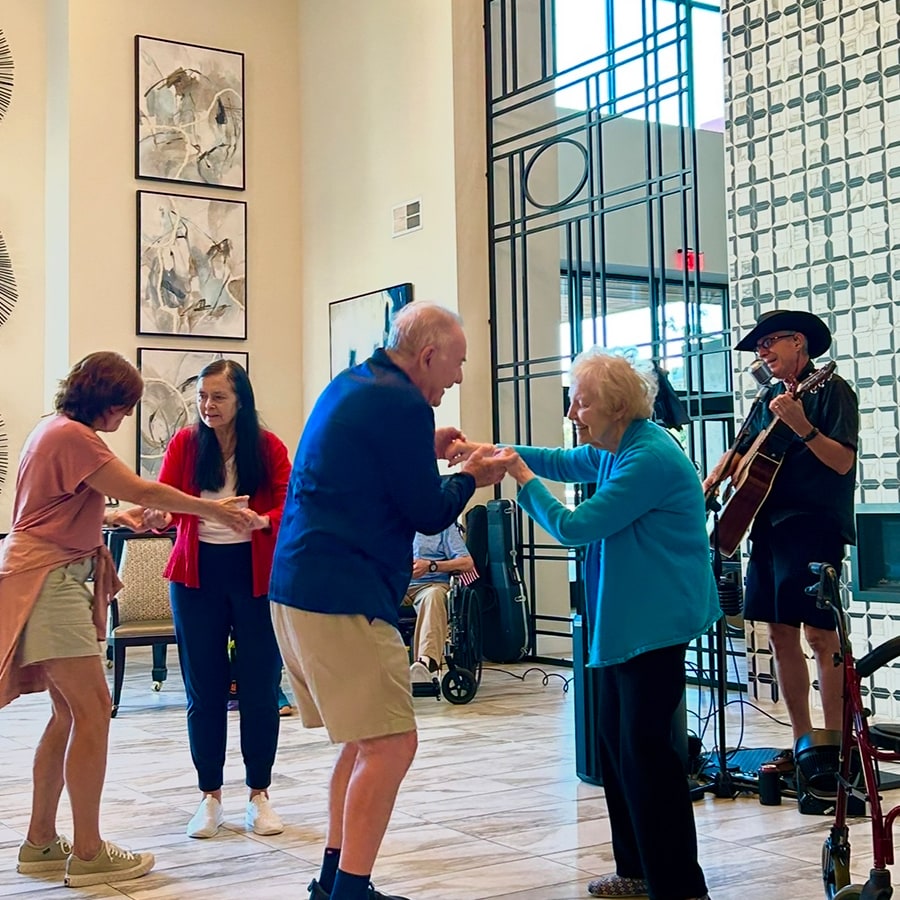
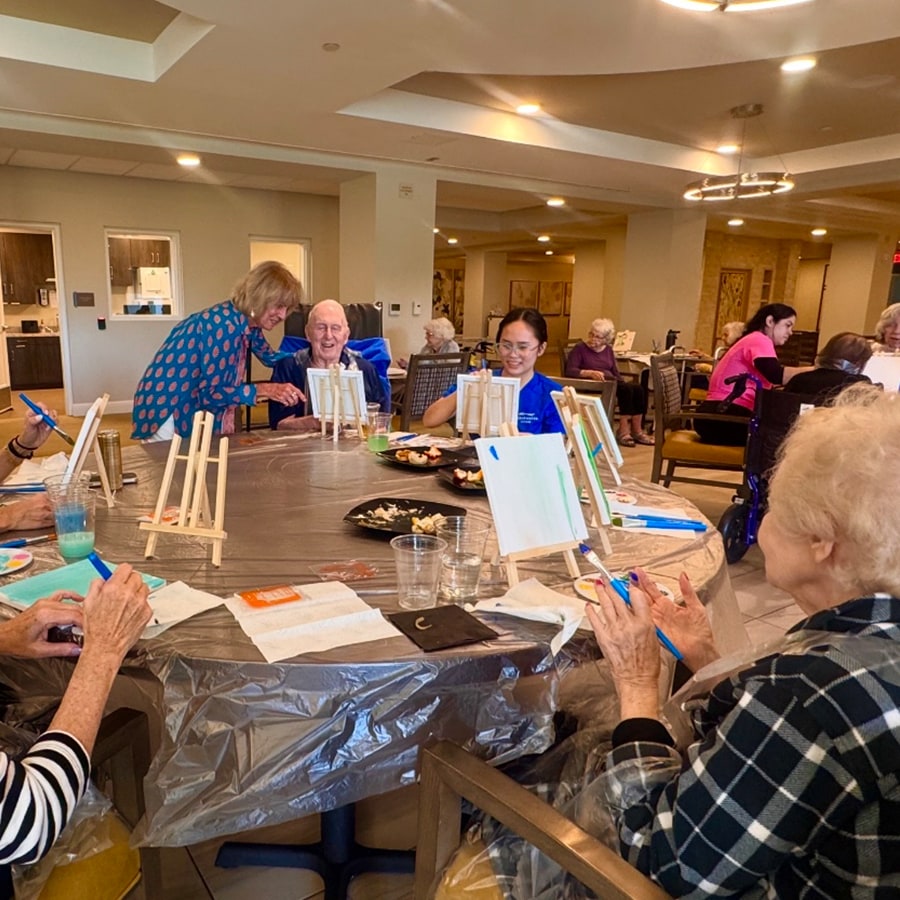
In a community built around person-centered care, residents are supported in staying as active and independent as possible. Movement programs, social engagement, and meaningful daily routines are woven into life in a way that feels natural, not clinical. Exploring assisted living support options can give you a clear picture of how day-to-day life can still feel rich and connected.
Memory Support and Assisted Living Options
As Parkinson’s progresses, some individuals may need additional support with cognitive changes or daily tasks. Assisted living options can offer the right level of hands-on help while still honoring personal choices and routines. Memory support programs provide structured, compassionate care for those who need a more attentive environment.
Having access to both independent living and assisted living under one roof means your loved one doesn’t have to face a stressful move as needs change. Continuity matters, and so does knowing that familiar faces and a familiar home are still there.
A Path Forward After an Early Diagnosis
An early diagnosis is not a door closing. It’s an opportunity to make thoughtful choices while options are still wide open. The right senior living community can offer the structure, warmth, and flexibility to support a high quality of life at every stage.
Clearwater Mayo Blvd is designed around exactly that kind of support. With a holistic approach to wellness and a commitment to treating every resident as an individual, the community can help your loved one continue living with purpose, connection, and confidence.
Reach out today to learn how personalized senior living support can make a meaningful difference.